Frico

In 1898, six dairy factories in the Netherlands formed the cooperative "Fund of the Frisian Cooperative Association for the Export of Dairy Products," which later became Royal FrieslandCampina, a producer of cheese and other dairy products. The first product for export was butter, followed by a selection of high-quality cheeses.
Read moreProduct Catalog
About brand
“Frico”
In 1898, six dairy factories in the Netherlands formed the cooperative "Fund of the Frisian Cooperative Association for the Export of Dairy Products," which later became Royal FrieslandCampina, a producer of cheese and other dairy products. The first product for export was butter, followed by a selection of high-quality cheeses.
The rich history of Frico cheese began with the introduction of its first cheese in 1898, which became popular and beloved worldwide due to the careful attention and passion put into its production.
In the 1930s, the world was experiencing an economic crisis that forced the cooperative to rebrand and adapt to new conditions. The Frico brand was created by combining the words "Friesian" and "Cooperation," which opened up new opportunities in international markets. By 1936, Frico had successfully expanded its network to 160 trading partners and subsidiaries in 62 countries.
In 1931, the trading house began importing Frico cheese and butter to Japan, making the Frico mouse symbol the emblem of household prosperity. The historical connection to the Netherlands led to the construction of a Dutch-themed park called "The House of the Ten Boschs" with typical Dutch elements such as windmills and Frisian cheese farms. The park's cheese factory attracted so much attention that it became a successful sales point for Frico cheeses in Japan!
In 1940, Frico celebrated its 40th anniversary, but soon after came World War II. Despite the damage caused by the war, the company was able to maintain its reputation as a producer of high-quality cheese. After the war, the company managed to expand and gain new positions in the global market.
In 1947, seafarers began importing Dutch goods, including Frico cheese, to Canada, which became popular among immigrants from the Netherlands in the 1950s.
Technological modernization and increased consumer spending in the 1960s led to a peak in cheese sales. Milk wagons were replaced with milk tankers, farms grew, and the number of supermarkets increased. This allowed for the sale of fresh cheeses on special counters in the 1970s. The brand continued to grow and innovate, becoming a well-known and respected name in the world of cheese production.
In response to changing purchasing patterns in March 1964, the Frico Corporate Products department was created. Frico became the brand for traditional cheeses and home to new corporate products such as Fricoletta, Fricosana, and Fricodor. At this time, the image of the brand mouse was introduced and became an important and well-known means of communication for Frico worldwide.
In the 1980s, a series of mergers contributed to the growth of Frico sales. To continue this growth, the brand needed a new positioning. In 1991, a cow with the word "Holland" was added to the logo to emphasize the naturalness and origin of Frico cheeses.
In the early 1990s, Frico entered the complex market of the Middle East.
In the new millennium, Frico expanded beyond the Netherlands and opened trade offices in Germany, France, and Spain with a new logo, assortment, and communication for these markets. The company also expanded its export department, increased the marketing and sales staff. In the following years, Frico improved its brand image and positioning.
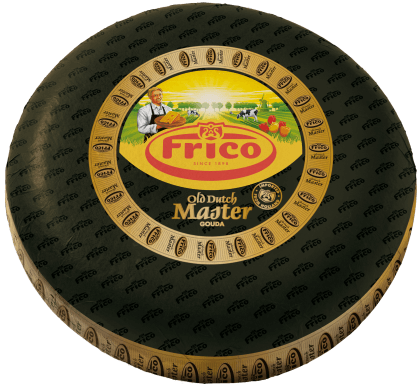
Frico has repeatedly won awards for its excellent taste and quality, including the gold medal at the World Champion Cheese Contest in Wisconsin (USA) in 2004 for Frico "Old Dutch Master" cheese.